

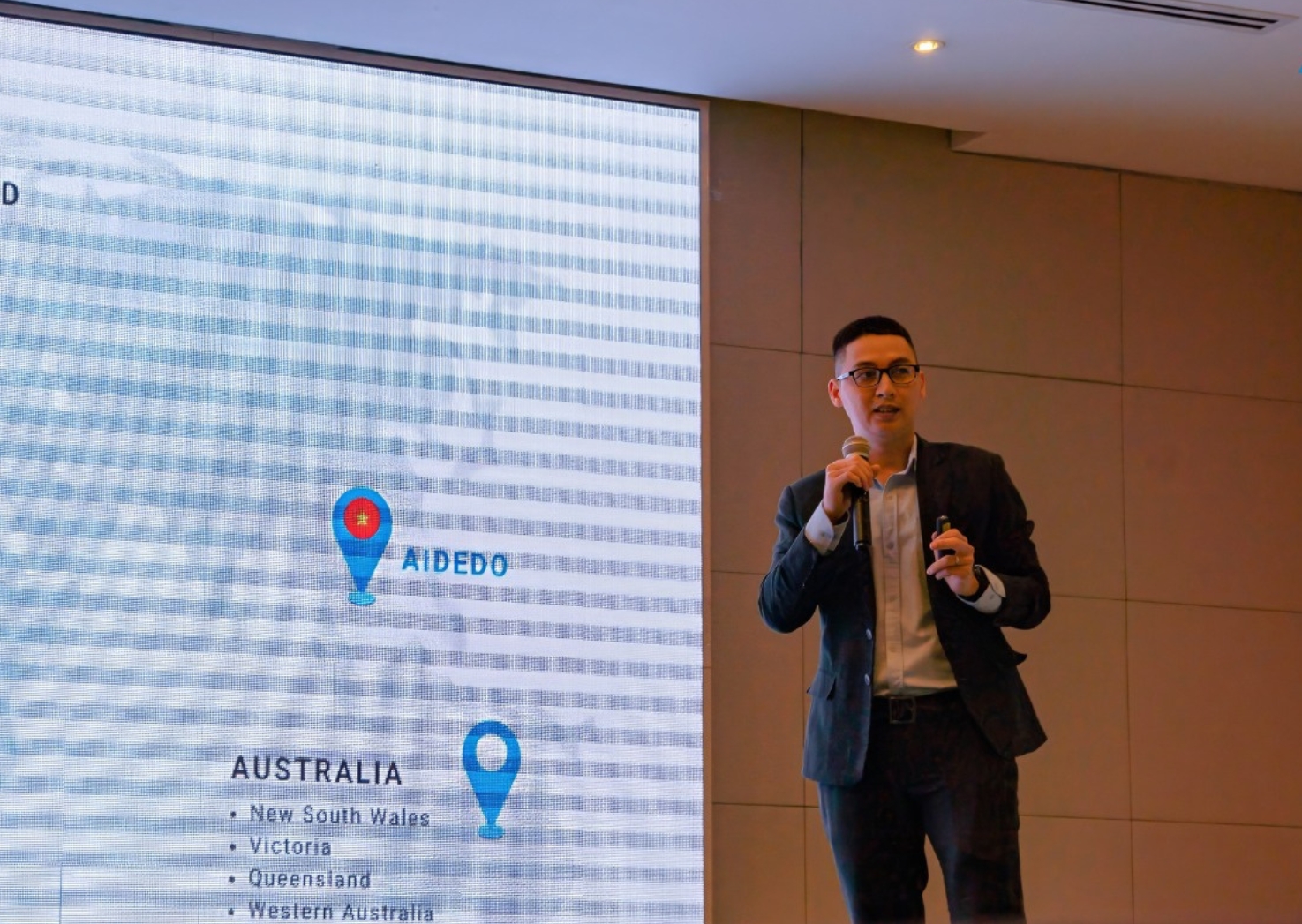
The greatest pressure currently facing many AEC (Architecture, Engineering and Construction) firms in Australia is no longer winning new projects, but maintaining enough technical resources to deliver them while operating costs continue to rise. As access to suitable engineers becomes more difficult and expensive, many firms are beginning to change the way they build their teams in order to maintain delivery capacity while optimizing cost efficiency.
The engineering skills shortage and rising operating costs in Australia’s AEC industry
To understand why more and more AEC firms in Australia have to shift their operations, it is necessary to look at the two main pressures weighing heavily on them:
First is the shortage of skilled engineers
At the same time, besides the shortage of drafters, rising operating costs are also becoming a major challenge for AEC firms in Australia. According to Engineers Australia’s report Strengthening the Engineering Workforce in Australia, the country is currently experiencing “the largest shortage of engineers in history,” with demand for more than 50,000 engineers over the next few years.
While demand for engineering personnel is rising sharply due to infrastructure, energy, and urban development projects, the domestic supply of engineers is not keeping pace with the market’s growth. Engineers Australia also states that demand for STEM personnel in Australia is expected to increase by another 12.9% over the next five years, while only around 60% of qualified engineers actually work in engineering roles. This makes it increasingly difficult for many AEC firms to maintain enough engineering workforce to meet project delivery needs.
Second is the increasingly heavy burden of operating costs
Alongside the shortage of skilled engineers, operating costs are also becoming a major pressure for AEC firms in Australia. According to the Australian Bureau of Statistics (ABS), the total costs of the Australian construction industry have increased from AUD 275.4 billion to AUD 570.7 billion since 2011–12, with the post-COVID-19 period alone recording an additional increase of AUD 172.6 billion.
One of the major costs in Australia’s construction industry today is selected labour costs. In the Civil engineering and Heavy construction sector alone, the average salary has now reached around AUD 132,900 per year for one technical employee. This shows that maintaining a large team to be “ready” for every project is no longer a sustainable option, because fixed costs are eroding profits and competitiveness.
A new solution to help AEC firms solve workforce and cost challenges
Facing the shortage of engineers and rising operating costs, many AEC firms in Australia are looking for more flexible ways to maintain their project delivery capacity. Common solutions include:
- Hiring remote engineers
- Using AI and automation to improve engineering productivity
- Building a hybrid workforce that combines in-house teams with external resources
- Partnering with universities and training programs to develop long-term talent
- Outsourcing part of their engineering services to overseas partners to reduce costs and increase capacity
Among these options, selective outsourcing is becoming more popular because it allows companies to quickly access skilled engineering resources at a lower cost thanks to labor cost differences between countries. In particular, working with outsourcing providers in Vietnam, where there is a large pool of skilled engineers and lower labor costs, helps AEC firms reduce hiring pressure, maintain project capacity, and avoid expanding large in-house teams.
Mistakes to avoid when choosing an outsourcing partner
Although outsourcing is becoming a growing trend, choosing the wrong partner can create serious risks for your projects. Common problems include:
- Unstable drawing quality, many errors, and the need for multiple rounds of revisions
- Slow turnaround times and difficulty meeting project deadlines
- Poor communication and technical coordination
- Limited understanding of local standards and workflows
- Additional time and costs for checking, revising, and reprocessing technical drawings
Cost should not be considered the only criterion. Priority should be given to evaluating actual delivery capability, experience with similar projects, a clear working process, and the ability to coordinate long-term according to firm standards. For this reason, providers with deep expertise in Civil Engineering and Land Surveying, such as Aidedo Outsourcing Provider, are being prioritized by many AEC firms in Australia.
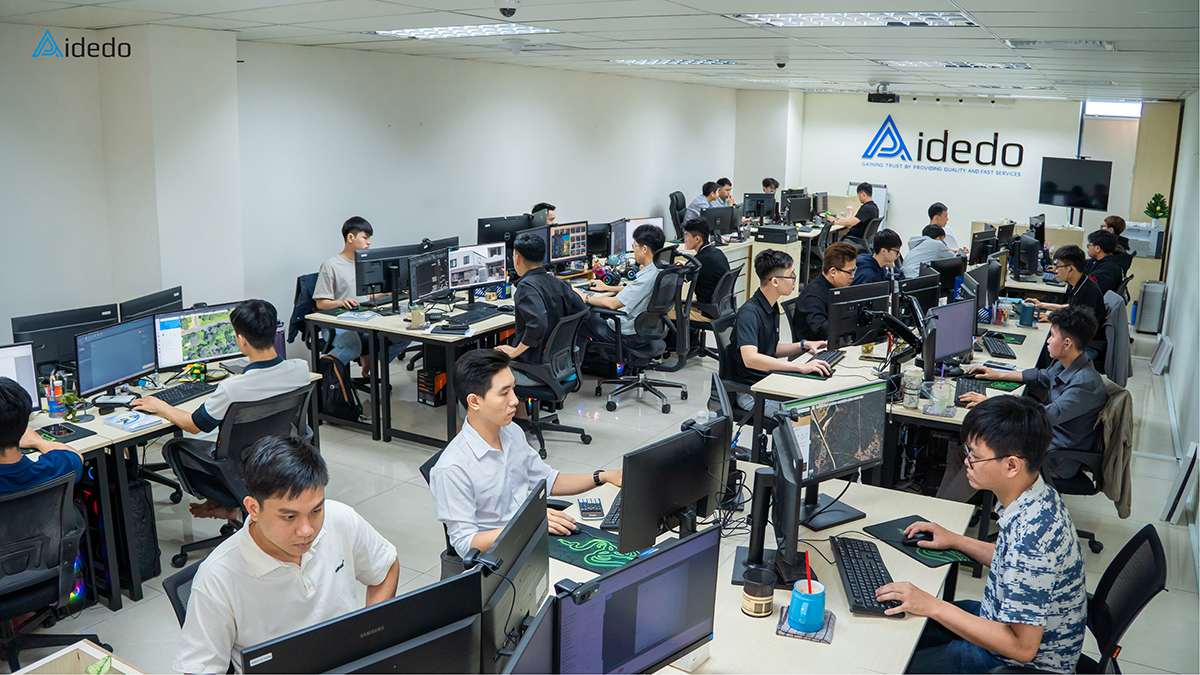
Aidedo Outsourcing Provider – Trusted by Civil Engineering & Land Surveying Firms in Australia
Aidedo was founded based on the practical experience of CEO Aiden Tong while studying and working with many Civil Engineering and Land Surveying firms in developed countries. Through these experiences, Aidedo recognized that many firms are not only struggling to hire qualified skilled engineers, but are also facing increasing pressure from operating costs, project deadlines, and maintaining consistent drawing quality.
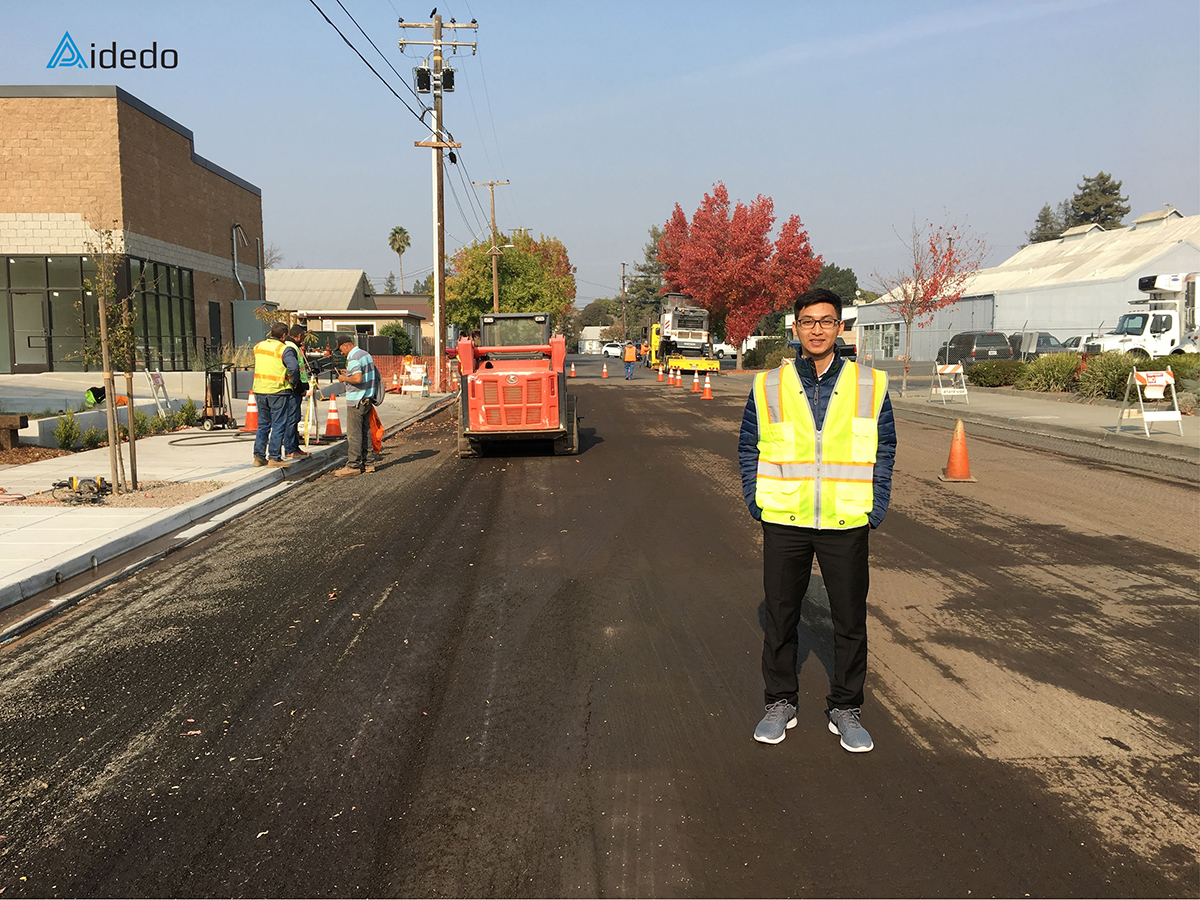
Therefore, Aidedo positions itself not simply as a drafting service provider, but as an outsourcing partner that works like an extension of your in-house team helping your firm increase project capacity with greater flexibility while controlling operating costs more effectively.
Today, Aidedo supports firms in Australia and other developed markets through three core service groups:
- Outsourcing Civil Engineering design and drafting services: Land development, Subdivision, Grading and Drainage plans, Utility Modeling service, Civil 3D modeling, 12D Modeling, etc.
- Outsourcing Land Surveying drafting services: A Feature and Contour survey Contour and Detail plan, Floor plan and elevation, internal survey, peg out, set out, etc.
- CAD services: Point cloud to CAD conversion, and other specialized CAD solutions.
You can reference the full details of Aidedo Outsourcing Provider’s services at Aidedo’s services to select the most suitable solutions for your business projects.
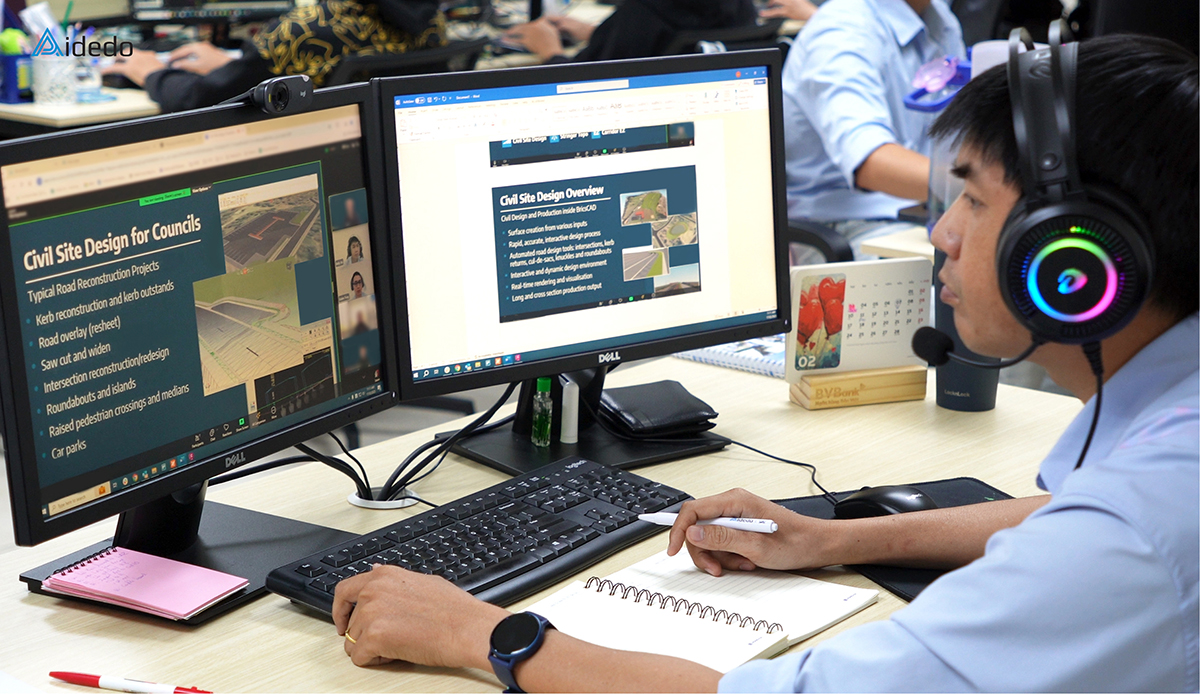
Through its outsourcing solutions, Aidedo directly solves common challenges that firms face when operating an internal technical team, such as:
- Save up to 50% in costs compared to maintaining an in-house engineering team, including engineer salaries, software licenses, office expenses, and employee benefits.
- Aidedo has the capacity to support multiple projects simultaneously during peak periods. When necessary, the team is ready to work overtime through public holidays and New Year to ensure a stable coordination process between clients in Australia and the delivery team in Vietnam.
- Flexibly increasing or reducing the number of engineers according to the needs of each project stage, ensuring that when there are no projects, the firm does not have to bear the fixed cost of hiring a large team.
- Aidedo complies with the workflow, technical standards, and specific requirements of each firm to maintain consistent drawing quality, while shortening review time by focusing on turnaround time and output quality. If the firm does not yet have a template, Aidedo is ready to build a customized one based on the working process and feedback from the client.
- CEO Aiden Tong directly participates in regular discussions to listen to feedback and quickly handle any issues that arise during project delivery.
One of Aidedo’s key differences, which clients are satisfied with and highly appreciate is its ability to provide continuous support throughout the entire project lifecycle. The Aidedo team prepares not only drawings based on the initial requirements, but also supports revisions arising from changes in the client’s ideas, updates from the project owner after review, or technical feedback from local reviewing authorities. This working approach reduces concerns about a lack of support and responsibility after handover when cooperating with an outsourcing provider.
In addition to its delivery capability, Aidedo also places strong emphasis on clients’ benefit, information security and risk reduction for clients throughout the cooperation process:
- Regarding project data security, all data, drawings, and technical documents are managed under a clear security process.
- To reduce risk when starting the cooperation, clients can experience a “free trial” for the first project to evaluate drawing quality, processing speed, communication ability, and actual coordination efficiency before expanding into a long-term partnership.
- Regarding responsibility for output quality, if the delivered product does not meet the initial commitment or expectations, clients will not have to pay for the work that fails to meet the required standards.
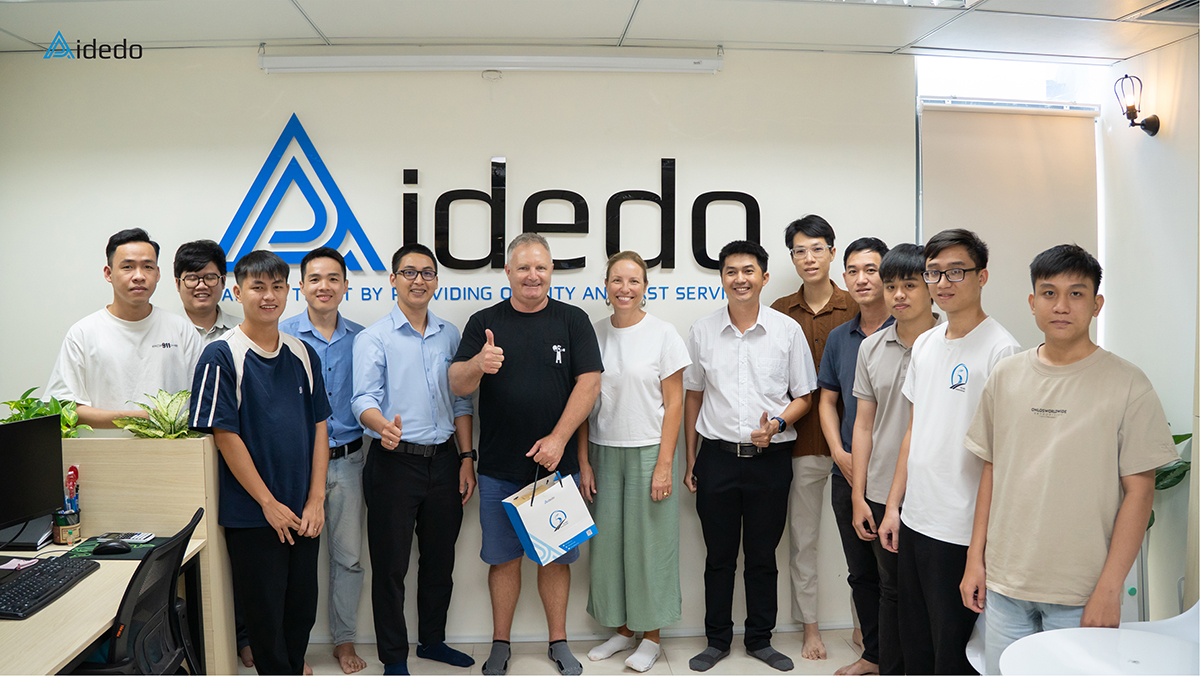
Overall, changing the workforce model is not about cutting costs at all costs, but about optimizing delivery capacity, maintaining quality, and increasing flexibility. For AEC firms in Australia, firms that proactively test selective outsourcing will have a clearer advantage in today’s competitive environment.
This is why Aidedo is chosen by many Civil Engineering and Land Survey firms during the process of expanding their technical teams. Aidedo helps firms gain an additional reliable resource to handle workloads, maintain quality, and operate more flexibly during periods of rapid market change.
To learn more about how Aidedo supports AEC firms in Australia in building a more effective outsourcing model, you can refer to the Why Aidedo page and the common questions answered in Aidedo’s FAQs.
If your firm is considering outsourcing part of its Civil Engineering or Land Survey Drafting workload, please contact Aidedo by filling out the information form on the Aidedo website or sending your specific requirements to contact@aidedo.com for a 1-on-1 consultation and start with a completely free project.



Comments are closed.