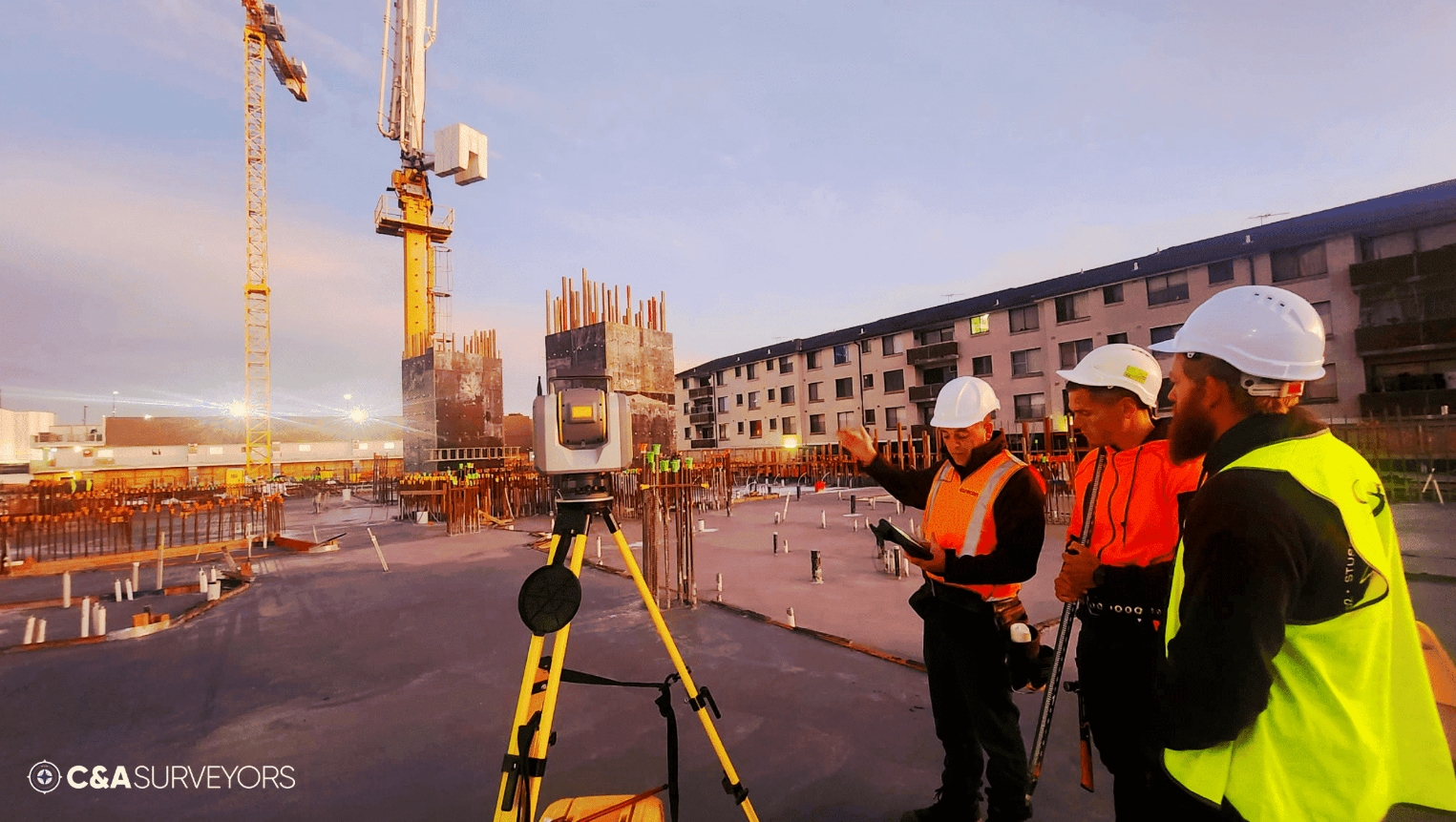
C&A Surveyors is a Sydney-based land surveying firm with 60+ staff, including 25+ expert surveyors, and over 100,000 projects completed across NSW since 2009.
Sydney’s property market has been changing for years under the pressure of housing policy reform, population growth, and more development activity on residential land. Most of that change is visible: new dwellings in existing streetscapes, tighter setbacks, more parties sharing smaller lots. Less visible is what that development pressure is doing to the cadastral environment. Boundary disputes are becoming more common, and the reasons behind them are built into the way Sydney is growing.
Sydney’s Development Environment Is Creating the Conditions for Dispute
The NSW Government’s push toward medium-density infill has changed how residential land is used across Sydney. Secondary dwellings, dual occupancies, and low-rise medium-density housing are going onto existing lots that were designed for single dwellings on generous setbacks. When a second structure is introduced, a DA lodged, or a build pushed to the very edge of a lot, the question of where that lot legally ends becomes urgent in a way it previously wasn’t.
This is the first condition for a dispute: competing claims over a boundary, made by parties with direct interests in the answer. The second driver is subdivision: as lots are divided for strata, community title, or Torrens title lot creation, boundaries that were never formally re-established from the original survey come under fresh scrutiny. A boundary that was approximate on an undivided lot matters considerably more when it separates two distinct titles with two separate owners.
High land costs make both problems worse. When land is expensive enough that developers and owner-builders are pushing structures to the boundary line, even a tiny gap between the cadastral record and the physical position on the ground shifts from irrelevant to a real issue. And in Sydney’s current market, that scenario is becoming more common.
The Gap Between Title Records and Physical Reality
What makes boundary disputes particularly hard to resolve is a problem most surveyors know well: the gap between what the Torrens title system describes and what the physical situation on the ground actually is.
Original survey pegs are routinely disturbed or removed during earthworks. Permanent marks degrade over decades. Old Deposited Plans reference survey methods and datum points that don’t translate precisely to modern measurement. In many of Sydney’s inner and middle-ring suburbs, where development histories are long and complex, the cadastral record is accurate in legal intent but can be imprecise in physical reality.
The Torrens system records legal ownership based on the Deposited Plan at the time of registration. It doesn’t update itself when a peg is removed, when fill changes the surface, or when a fence is built somewhere other than the legal line. These gaps grow quietly over time. It’s usually only when development pressure brings someone to the boundary that the problem surfaces.
What a Boundary Dispute Is and Who Can Actually Resolve It
A boundary dispute is not a neighbourhood disagreement that mediation can fix. It’s a cadastral problem, and responsibility for resolving it sits with a specific professional: a surveyor.
This is a point that still needs clarifying for many property owners and their advisors. Local councils assess DA compliance against a proposed boundary position; they don’t determine where that position sits. Solicitors can only advise on legal rights and remedies. None of these parties can do what the Surveying and Spatial Information Act 2002 (NSW) reserves exclusively for surveyors: establish and mark land boundaries.
A common belief among property owners is that long-term physical occupation settles the question. If a fence has stood in the same position for decades, the reasoning goes, it must be the boundary. In practice, physical occupation and legal title are entirely separate things. For most Sydney properties held under Torrens title, long-term occupation of a fence line does not transfer legal ownership of the land on the other side; adverse possession of a boundary strip is not available under NSW law for Torrens title land. The fence line and the legal boundary may or may not match, but only a re-establishment survey can confirm which.
Neighbourly agreements carry the same limitations. Two owners may have a clear understanding about where they both believe the boundary sits. That understanding falls apart when one property is sold, when a new development is proposed, or when a solicitor needs evidence for a conveyancing transaction. An agreed belief is not a cadastral determination.
The Re-establishment Process and Why It’s Irreplaceable
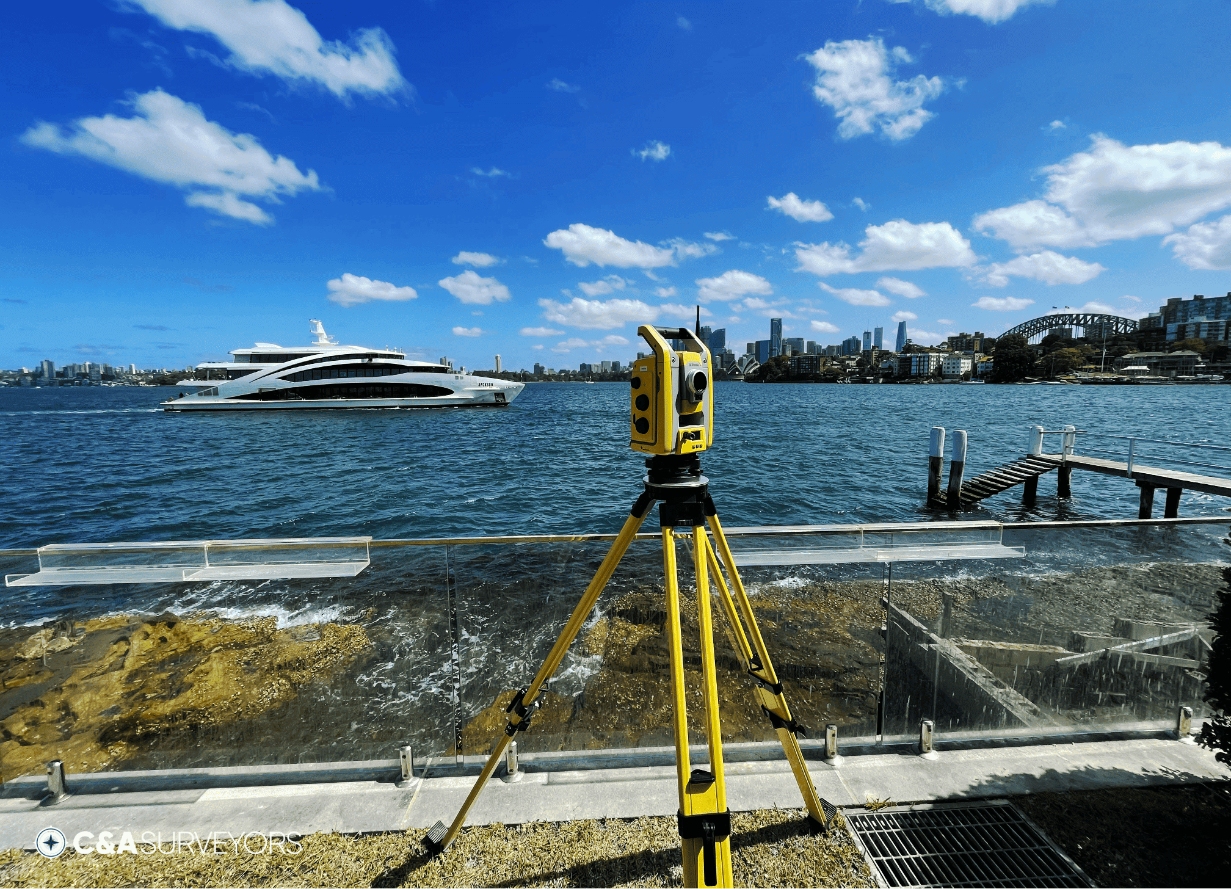
A boundary re-establishment survey is not a negotiation between parties. It’s a finding based on evidence. Your historical Deposited Plans and field notes are researched, surviving physical marks located, precise measurements taken on the ground, and the NSW hierarchy of survey evidence is applied to determine where the boundary legally sits. The result is a certified, documented position that holds up in the Land and Environment Court, other court proceedings, or DA assessments, and is admissible evidence in any fencing dispute heard by NCAT. That result is what no other professional can deliver, and it’s what survives a change of ownership, a disputed DA, or a conveyancing transaction. Sydney surveyors working on boundary-sensitive projects, particularly dual occupancies, secondary dwellings, and medium-density infill, are increasingly ordering re-establishment surveys upfront, before problems arise, rather than as a reaction after a dispute has already started
The Cost of Leaving a Dispute Unresolved
For architects, project managers, builders, certifiers, and other professionals working in development, the cost of an unresolved boundary dispute is real. An encroachment found during a DA assessment can halt or invalidate an application. A title defect found in conveyancing can collapse a settlement. NCAT and court proceedings are expensive, slow, and uncertain.
A re-establishment survey ordered before problems surface almost always costs a fraction of what a legal dispute would. As Sydney’s development conditions continue to push builds closer to boundaries, that calculation becomes harder to ignore. The surveying profession is the only one that can resolve boundary disputes definitively. The question increasingly isn’t whether a survey is needed, it’s whether it’s ordered early enough to prevent the dispute from escalating.