The Nippon Foundation-GEBCO Seabed 2030 Project has announced a new partnership with Australian maritime AI and autonomy innovator, Greenroom Robotics.
The collaboration will see the two organisations explore opportunities to support the efficient collection, processing and sharing of ocean mapping bathymetric data.
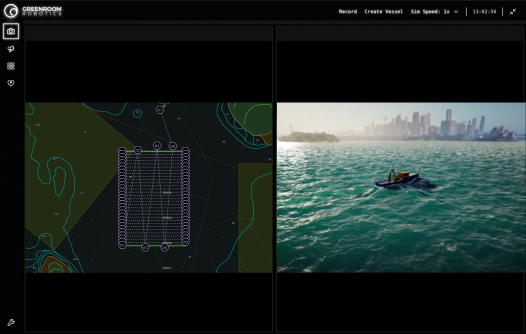
Greenroom Robotics develops AI-enabled perception and autonomy software for the maritime sector and has recently achieved many firsts in the defence and commercial sectors.
The company’s solutions support uncrewed and optimally crewed vessel operations, helping to enable more persistent and scalable ocean data collection.
“By modernising maritime operations with autonomous and digitally integrated technologies, we can help make ocean mapping safer, cleaner and more efficient,” said James Keane, Chief Executive Officer of Greenroom Robotics.
“We’re looking forward to supporting the collection of high-quality data that contributes to this important global initiative and helps safeguard our oceans for the future.”
Seabed 2030 aims to produce a complete map of the world’s ocean floor, with all of the data compiled into the freely available GEBCO global grid.
According to Seabed 2030, autonomous and digitally integrated maritime systems are increasingly supporting hydrographic surveying and ocean mapping activities.
Autonomous vessels can operate more efficiently and collect high-quality data at scale, expediting mapping coverage in both coastal and remote ocean regions.
This includes the ability to use smaller vessels, with real world operational experience demonstrating a 94% reduction in diesel fuel consumption.
“Achieving the ambitious goal of mapping the entire ocean floor requires continued innovation in the technologies used to collect and process bathymetric data,” said Seabed 2030 Director, Jamie McMichael-Phillips.
“Partnerships with organisations such as Greenroom Robotics help advance the capabilities needed to make ocean mapping more efficient, scalable and accessible.”