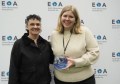
Toitū Te Whenua Land Information New Zealand (LINZ) has been recognised at the 2026 Australasian Land & Groundwater Association (ALGA) Awards.
The agency has been awarded in the Government Leadership in Contaminated Land and Groundwater Outcomes category for its work at the former Tokanui Psychiatric Hospital site.
The ALGA Awards recognise excellence, innovation and best practice in contaminated land and groundwater management across Australia and New Zealand.
LINZ Deputy Head of Crown Property Matt Bradley says winning the award is an incredible recognition of the people and partnerships behind the project.
“We’re incredibly proud to receive this award. Tokanui is a hugely complex project, and an enormous amount of work, care and expertise has gone into getting us to this point,” said Bradley.
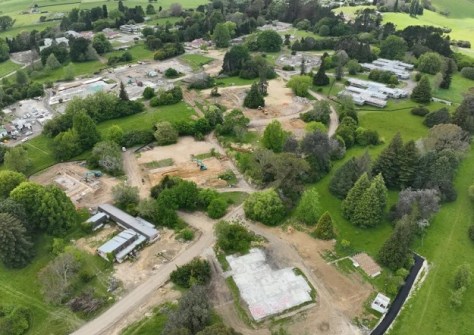
The Former Tokanui Psychiatric Hospital Demolition and Remediation Project is preparing an 80-hectare site in the Waikato for future transfer as part of Treaty settlement redress.
The work brings together demolition and removal of ageing infrastructure, management of contaminated land and hazardous materials, rehabilitation of the former hospital landfill, stream restoration and other environmental improvements.
Incorporating cultural dimensions
The former hospital is held in the Treaty Settlements Landbank as a redress property for Ngāti Maniapoto, a major iwi or tribe in the Waikato-Waitomo region of New Zealand’s North Island.
LINZ manages properties held in the Landbank and is currently leading a significant program of work at Tokanui, including demolishing buildings and underground infrastructure and remediating a closed landfill.
This work has included surveying the property boundaries and mapping the underground infrastructure and extent of the landfill at the site.
A distinctive part of the project has been the way cultural outcomes have been built into remediation decision-making, alongside environmental, social and economic considerations. The approach was developed in partnership with mana whenua [customary land rights] and creates a model that could inform future Crown-led remediation and Treaty settlement projects.
“This project has always been about much more than simply removing buildings or managing contamination,” said Bradley.
“It’s about restoring the whenua, delivering on the Crown’s commitments and making decisions that leave a positive legacy for future generations.”